


Three Insights into Diabetes Heart Risks and Heart Failure
Diabetes and heart health are closely linked. Understanding this connection is essential for managing risks and improving outcomes. In this post, I will share three important insights about diabetes and heart failure. These insights will help you recognize the risks, understand the causes, and learn practical steps to reduce complications.
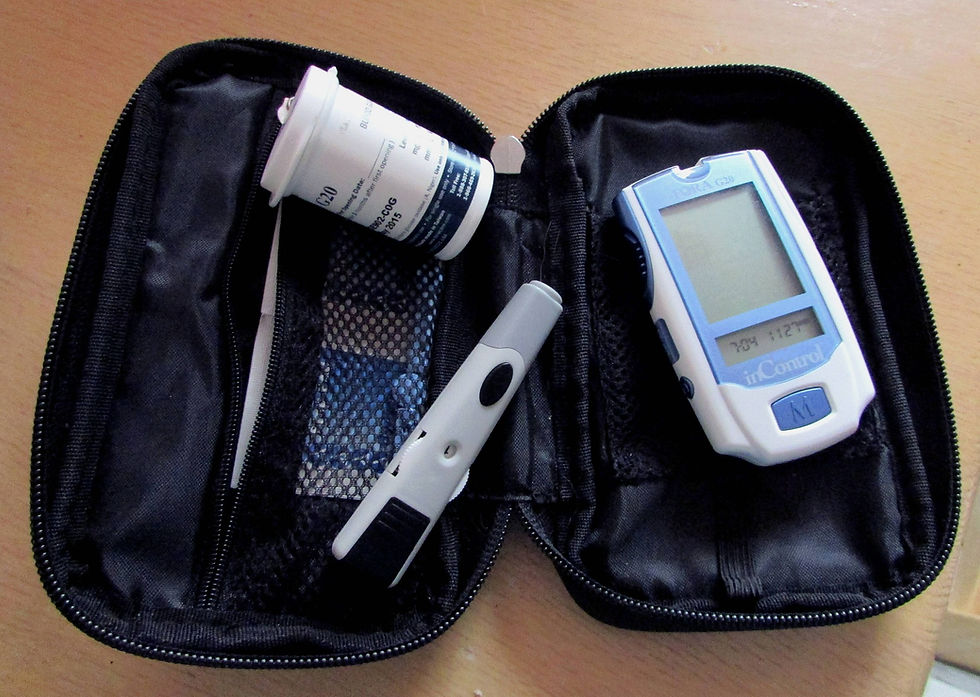
Understanding Diabetes Heart Risks
People with diabetes face higher risks of heart problems than those without the condition. This is because diabetes affects the body's ability to manage blood sugar, which can damage blood vessels and the heart over time. High blood sugar levels can lead to inflammation and plaque buildup in arteries, increasing the chance of heart disease.
There are two main types of diabetes: Type 1 and Type 2. Both types can increase heart risks, but Type 2 diabetes is more common and often linked to lifestyle factors such as diet and exercise. Managing blood sugar levels is crucial to lowering heart risks.
Some key factors that increase diabetes heart risks include:
High blood pressure
High cholesterol levels
Obesity
Sedentary lifestyle
Smoking
By addressing these factors, individuals can reduce their chances of developing heart failure or other cardiovascular diseases.
What is the most common cause of death in diabetics?
Heart disease is the leading cause of death among people with diabetes. This includes conditions such as coronary artery disease, heart attack, and heart failure. The risk of heart failure is particularly high because diabetes can weaken the heart muscle and reduce its ability to pump blood effectively.
Diabetes can cause changes in the heart's structure and function, a condition known as diabetic cardiomyopathy. This condition can develop even without other common heart disease risk factors. It is important to monitor heart health regularly if you have diabetes.
Early detection and treatment of heart problems can save lives. Regular check-ups, blood tests, and heart function assessments are essential for people with diabetes.

Managing Risks Through Lifestyle and Medical Care
Managing diabetes and heart risks requires a combination of lifestyle changes and medical care. Here are practical steps to take:
Control Blood Sugar
Keep blood sugar levels within the target range set by your healthcare provider. Use medications as prescribed and monitor your levels regularly.
Adopt a Heart-Healthy Diet
Focus on whole grains, fruits, vegetables, lean proteins, and healthy fats. Limit processed foods, sugary drinks, and excessive salt.
Exercise Regularly
Aim for at least 150 minutes of moderate exercise per week. Activities like walking, swimming, or cycling can improve heart health and help control weight.
Manage Blood Pressure and Cholesterol
Work with your healthcare provider to keep these numbers in check. Medications may be necessary alongside lifestyle changes.
Avoid Tobacco and Limit Alcohol
Smoking damages blood vessels and increases heart risks. Alcohol should be consumed in moderation or avoided.
Regular Medical Check-Ups
Schedule routine visits to monitor diabetes control and heart health. Early intervention can prevent complications.
By following these steps, individuals can reduce the impact of diabetes on their heart and improve overall well-being.
The Role of Healthcare Professionals in Education and Support
Healthcare professionals play a vital role in educating and supporting individuals with diabetes. They provide guidance on managing blood sugar, recognizing symptoms of heart problems, and making lifestyle changes.
Effective communication between patients and healthcare providers is key. Patients should feel comfortable asking questions and sharing concerns. Healthcare teams can offer personalized care plans and resources to help manage risks.
Community groups and health educators also contribute by raising awareness and providing accessible information. This support network empowers individuals to take charge of their health and make informed decisions.
Moving Forward with Knowledge and Action
Understanding the link between diabetes and heart failure is the first step toward better health. By recognizing the risks, knowing the common causes of death, and adopting practical management strategies, individuals can protect their hearts.
If you or someone you know has diabetes, consider these insights as a guide to improving heart health. Remember, managing diabetes and heart failure is a continuous process that benefits from education, support, and proactive care.
Taking control today can lead to a healthier tomorrow.


Comments