


Understanding the Diabetes Heart Failure Connection
Updated: Dec 25, 2025
Diabetes and heart failure are two serious health conditions that often occur together. Understanding how they are linked can help us take better care of our health. In this article, I will explain the connection between these diseases, why people with diabetes are at higher risk for heart problems, and what steps can be taken to reduce that risk. This information is useful for anyone interested in health education, including healthcare professionals and community groups.
What Is Heart Failure?
Heart failure is a condition where the heart cannot pump blood as well as it should. This does not mean the heart has stopped working, but it struggles to meet the body’s needs. When the heart is weak, blood and fluids can build up in the lungs, legs, or other parts of the body. This causes symptoms like shortness of breath, fatigue, and swelling.
Heart failure can develop from many causes, including high blood pressure, heart attacks, and diseases that affect the heart muscle. It is a chronic condition that requires ongoing management to improve quality of life and prevent complications.
Exploring the Diabetes Heart Failure Connection
People with diabetes have a higher chance of developing heart failure. This is because diabetes affects the body in ways that can harm the heart. High blood sugar levels can damage blood vessels and nerves that control the heart. Over time, this damage makes the heart weaker and less efficient.
Additionally, diabetes often comes with other risk factors such as high blood pressure, obesity, and high cholesterol. These factors further increase the risk of heart failure. Managing diabetes well can reduce these risks and help protect the heart.
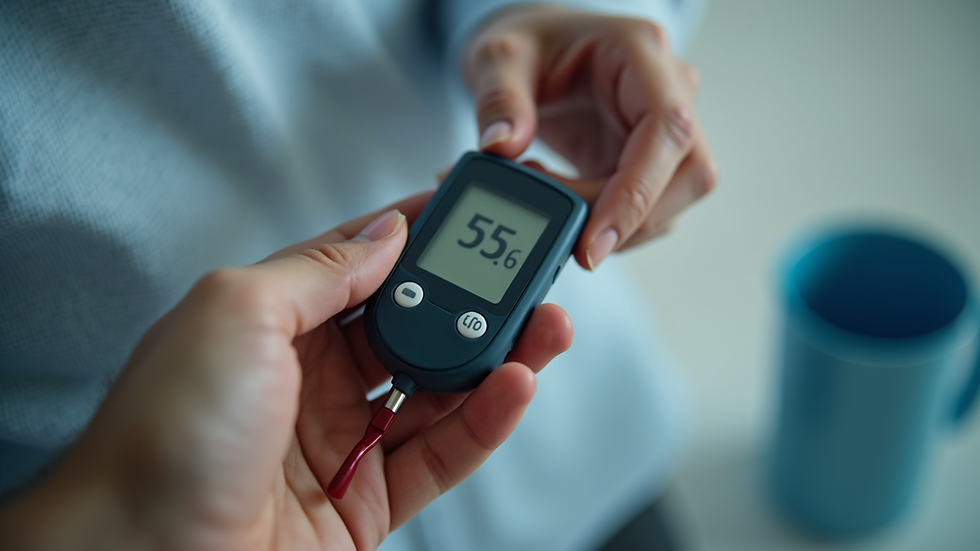
Blood sugar monitoring is essential for managing diabetes and protecting heart health.
Why Do Diabetics Have Silent Heart Attacks?
A silent heart attack is a heart attack that occurs without the usual symptoms like chest pain. People with diabetes are more likely to experience silent heart attacks. This happens because diabetes can damage the nerves that carry pain signals from the heart to the brain. As a result, a person may not realize they are having a heart attack.
Silent heart attacks are dangerous because they often go untreated. This can lead to more severe heart damage and increase the risk of heart failure. Regular check-ups and heart screenings are important for people with diabetes to catch any heart problems early.
How Diabetes Affects the Heart’s Structure and Function
Diabetes can change the heart’s structure and how it works. High blood sugar causes inflammation and stiffening of the heart muscle. This makes it harder for the heart to relax and fill with blood properly. Over time, this can lead to a type of heart failure called diastolic dysfunction.
Moreover, diabetes increases the risk of coronary artery disease, where the arteries supplying blood to the heart become narrow or blocked. This reduces blood flow and can cause heart attacks or worsen heart failure.
To protect the heart, it is important to control blood sugar, blood pressure, and cholesterol levels. Lifestyle changes such as eating a balanced diet, exercising regularly, and avoiding smoking also play a key role.

Eating a balanced diet supports heart health and helps manage diabetes.
Practical Steps to Reduce Risk and Manage Both Conditions
Managing diabetes and preventing heart failure involves several practical steps:
Monitor Blood Sugar Regularly - Keeping blood sugar within target ranges reduces damage to blood vessels and nerves.
Control Blood Pressure - High blood pressure strains the heart. Aim for a healthy range as advised by your healthcare provider.
Maintain a Healthy Weight - Excess weight increases the risk of both diabetes complications and heart disease.
Exercise Consistently - Physical activity strengthens the heart and helps control blood sugar.
Eat Heart-Healthy Foods - Focus on fruits, vegetables, whole grains, lean proteins, and healthy fats.
Avoid Tobacco and Limit Alcohol - Both can worsen heart and blood vessel health.
Take Medications as Prescribed - Follow your healthcare provider’s instructions for diabetes and heart medications.
Regular Health Check-Ups - Early detection of heart problems can prevent worsening conditions.
By following these steps, individuals can reduce their risk of heart failure and improve overall health.
Empowering Yourself with Knowledge and Support
Understanding the link between diabetes and heart failure is the first step toward better health. It is important to stay informed and work closely with healthcare professionals. Support from community groups and educational resources can also help maintain motivation and provide practical advice.
If you or someone you know has diabetes, consider discussing heart health with a healthcare provider. Early intervention and consistent management can make a significant difference.
For more detailed information on the diabetes and heart failure connection, reliable sources like the American Heart Association offer valuable guidance.
Taking charge of your health is a continuous journey. With the right knowledge and actions, it is possible to live well with diabetes and protect your heart.


Comments